
TMJ Treatment and Symptoms: What You Need to Know
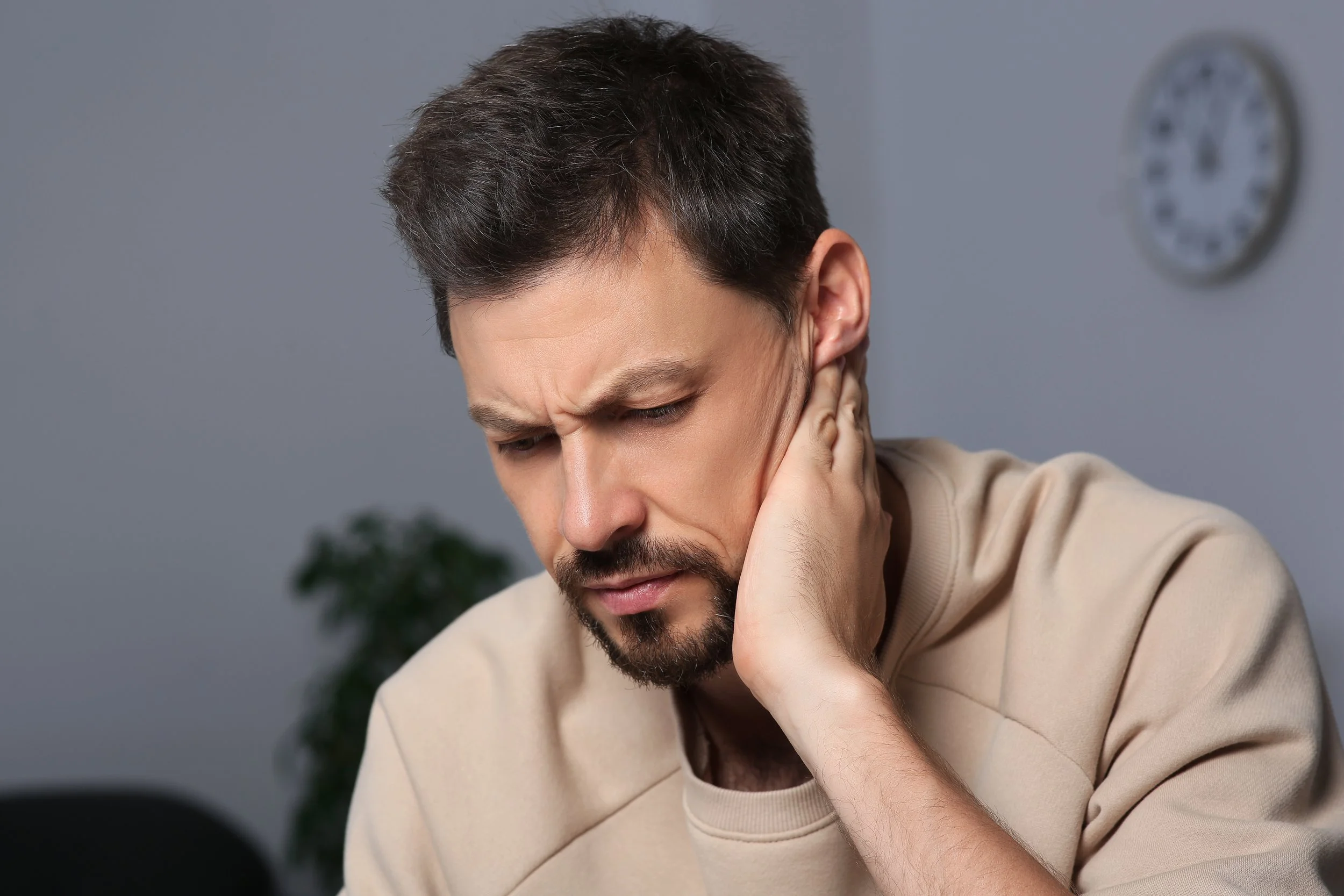
Photo: liudmilachernetska via 123RF
The temporomandibular joint (TMJ) controls vital jaw movements, such as chewing, swallowing, and talking. If you’re experiencing headaches, jaw pain, and popping or clicking noises when you open your jaw, you may have a TMD — temporomandibular disorder — and might require TMJ treatment for the TMD.
Living with TMJ symptoms that occur with TMJ disorders is unpleasant for many people, especially if your jaw hurts or locks up when you open your mouth wide. Our knowledgeable staff at Sanitas Family Dentistry are experts in diagnosing and treating TMD to minimize your discomfort and maximize your jaw’s functionality.
This guide explains TMJ, TMJ/TMD symptoms, risk factors, TMJ treatment options, and more.
What Is TMJ?
Your temporomandibular joints (TMJs) rest just below each ear on either side of your face and connect your jaw to your skull.
These sliding and rotating joints consist of the mandible (lower jaw) and the temporal bone (at the base and side of your skull). They are separated by an articular disc that cushions the space between the bones and keeps them from touching.
These joints work together with muscles and ligaments to enable the mandible to move in multiple directions, such as forward and back, up and down, and side to side.
When you consider the joints that get a workout in your body, you might think about your shoulders and knees. Because your TMJ joints control essential functions like speaking, chewing, and swallowing, they move thousands of times each day. If you consider how many times you chew a single bite of food, this makes sense.
What Are TMJ Disorders?
TMJ disorders (TMDs) impact the function of your temporomandibular joints and their surrounding muscles. The National Institute of Dental and Craniofacial Research showed that around 11-12 million adults in the U.S. had pain in their temporomandibular joint region, and twice as many women as men suffered from TMDs.
Some popping and clicking noises are normal when you move your jaw. But you shouldn’t feel pain. If you do, this may indicate you have a TMD.
TMDs can sometimes cause TMJs to slide out of the socket when you open your mouth wide, and this can make your jaw hurt.
There are over 30 TMDs that cause joint dysfunction that disrupts jaw movement and pain. The three classes of TMDs are:
Disorders of the joints, including disc disorders
Disorders of the masticatory muscles you use for chewing
TMD-related headaches
Some TMDs don’t last long and eventually resolve on their own. Others become chronic and require professional TMJ treatment.
TMD Symptoms and Causes
TMD symptoms vary in type and intensity for each person. Common symptoms include:
Difficulty chewing or opening your mouth
Clicking and/or popping sounds in your jaw
Jaw pain or tenderness
Jaw stiffness, locking, and dislocation
Frequent headaches or migraines
Facial pain or swelling
Ear pain
Ear ringing, dizziness, or hearing loss
Injury or trauma to the temporomandibular joints can cause TMDs. Other causes remain unclear, and many people experience TMJ/TMD symptoms without an explanation. Some research suggests that a combination of genetics, psychological and life stressors, and a person’s perception of pain can trigger a TMD and determine its longevity.
Other TMD causes include:
Teeth grinding and clenching (aka bruxism)
Arthritis of the jaw
Stress-induced jaw tension
A misaligned bite
TMJ Risk Factors
While exact TMJ/TMD causes are difficult to pinpoint, TMJ disorder risk factors include:
Clenching and grinding teeth
Stomach sleeping
Taking large bites of food
Using your teeth like a tool – to open or tear things
Chewing on pencils, pens, or fingernails
Poor posture
Avoiding or combating these behaviors by reducing stress, practicing good posture, and wearing a mouthguard during sports or to prevent teeth grinding can help lower your TMD risk.
TMJ/TMD Diagnosis
As TMJ/TMD experts, Dr. Krista and her Sanitas Family Dentistry staff will perform a thorough exam and any necessary testing to diagnose TMJ disorders and develop a treatment plan.
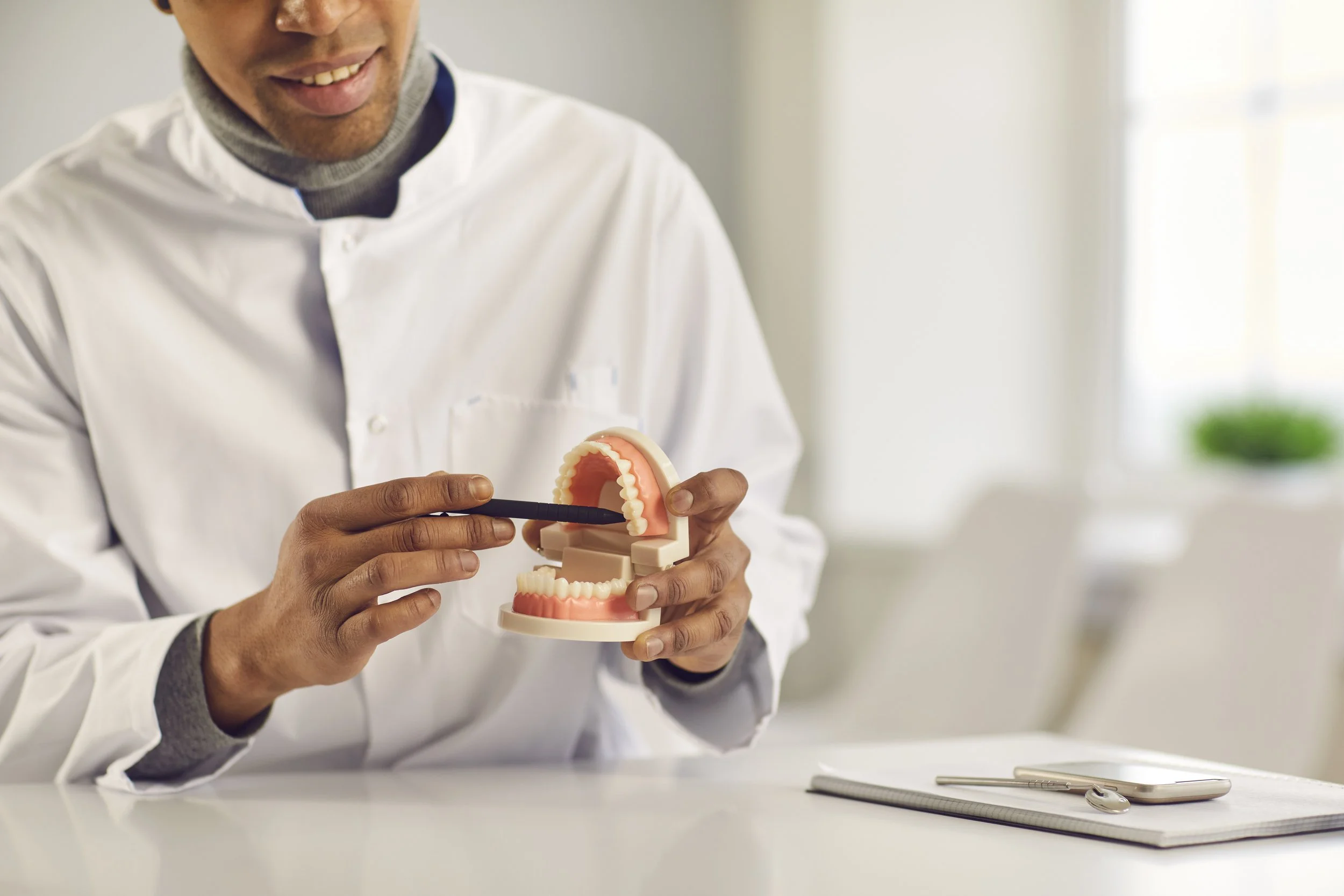
Photo: lacheev via 123RF
At a diagnostic appointment, you can expect the dentist or staff to:
Collect a complete medical history, including asking about your symptoms.
Do a complete physical examination of your mouth and jaw, including watching you open and close your mouth to assess the range of motion.
Look for swelling and tenderness in your face, neck, and jaw.
Listen for any clicking and popping sounds.
Check your bite alignment.
They might also take X-rays or order a CT scan or MRI to examine your entire jaw structure, including your teeth, jaw, bones associated with the joint, and surrounding tissue. They will also look for and identify issues with your TMJ’s articular disc.
Gathering as much information as possible can help Dr. Krista provide a detailed diagnosis and determine the best solution for your symptoms of TMJ and treatment.
Noninvasive TMJ Treatment Options
Whether you are just starting to notice TMD symptoms or are struggling with long-term jaw discomfort and dysfunction, you may wonder, “What is the treatment for TMJ?”
Our goal at Sanitas Family Dentistry is to stabilize your temporomandibular joint, relieve TMJ pain, and improve jaw function.
TMJ treatment options vary depending on the severity of your condition, and many patients start with noninvasive options. Let’s break them down.
Medication to Manage TMJ/TMD Pain
Dr. Krista may suggest trying medication to relieve pain, reduce swelling, and ease muscle tension.
These can include Acetaminophen (Tylenol®) for pain or nonsteroidal anti-inflammatory drugs (NSAIDs) like naproxen (Aleve®) or ibuprofen (Advil®). Muscle relaxers may reduce clenching and grinding, and she may suggest antidepressants for managing chronic pain.
Custom Mouthguard or Splint
As one of the newest treatments for TMJ disorders, wearing a custom mouthguard or splint helps alleviate jaw stress, improve jaw alignment, and reduce or relieve clenching and grinding.
These appliances are custom-designed according to your individual bite, muscle tension, and jaw alignment. They not only reduce jaw strain but also help hold your jaw in a more natural position while you sleep or during daily activities.
Bite Correction
Your jaw is essential for chewing, and problems with your bite can aggravate TMJ concerns. Correcting bite issues that may contribute to TMD symptoms with dental adjustments or restorations can help.
Lifestyle Recommendations
Stress can take a toll on many parts of your body, including your temporomandibular joint. Our staff can recommend stress management techniques and jaw exercises to help reduce strain on your TMJs.
Physical Therapy
Doing physical therapy, including TMJ pain treatment exercises to stretch, strengthen, and relax your jaw muscles, can help reduce tension and improve jaw function.
Other treatments may include ultrasound and transcutaneous electrical nerve stimulation (aka TENS). Applying moist heat and stretching repeatedly throughout the day might also provide TMJ pain relief.
Seeing a Counselor
Struggling and trying to cope with anxiety and stress causes many people to bite their fingernails and/or clench and grind their teeth. As previously mentioned, these behaviors can cause TMJ disorders.
Seeing a licensed professional counselor to discuss and learn how to manage these behaviors can not only improve your mental health but also help alleviate stressors that contribute to TMJ disorders.
Surgical TMJ Treatment Options
If noninvasive TMJ treatment options don’t relieve your jaw pain and other uncomfortable TMD symptoms, Dr. Krista might suggest surgical TMJ treatment options.
They include:
Arthrocentesis – This minimally invasive procedure is also called joint aspiration. You may be given a local anesthesia or light sedation for this minor surgery, in which an oral surgeon inserts two needles into your TMJ to allow fluid to flow through the joint and flush inflammatory agents and debris.
TMJ Arthroscopy – Arthroscopic surgery can treat various TMJ disorders. During this procedure, an oral and maxillofacial surgeon (OMS) inserts a small video camera (called an arthroscope) into your TMJ to examine the joint and make any necessary repairs, such as removing scar tissue, repairing damaged tissue, and realigning the articular disc. This procedure typically requires general anesthesia.
Open-Joint Surgery – This type of surgery is the most invasive of the surgical options and is usually reserved for more complex TMJ issues and disorders. It is also known as arthroplasty. The surgeon makes an incision to access the joint and repair or replace it, or sometimes replace a degenerated disc.
If you require surgery to address your TMJ/TMD issues, Dr. Krista carefully selects exceptional surgeons who can help resolve your concerns.
The Experts at Sanitas Family Dentistry Want to Help
Dr. Krista and the Sanitas Family Dentistry staff always prioritize your dental health and well-being with a holistic approach and complete transparency about any services we recommend or provide.
As experts, our knowledgeable and caring dental team understands how TMJ issues cause challenges with essential daily functions like chewing, swallowing, and talking. We are also happy to discuss the latest TMD treatments.
You don’t have to keep suffering from jaw pain, locking, and other discomforts that occur with TMJ disorders and negatively impact your quality of life.
Contact us today at our Boulder office to schedule an appointment to diagnose your TMJ disorder and discuss available TMJ treatment options.