
Dental Bridges Boulder

Personalized Dental Bridges in Boulder
Missing one or more teeth can affect how you eat, speak, smile, and feel about your oral health. At Sanitas Family Dentistry, we help patients explore Dental Bridges Boulder treatment options designed to replace missing teeth, restore everyday function, and support a natural-looking smile. Our approach focuses on your individual needs, oral health, and long-term dental wellness.
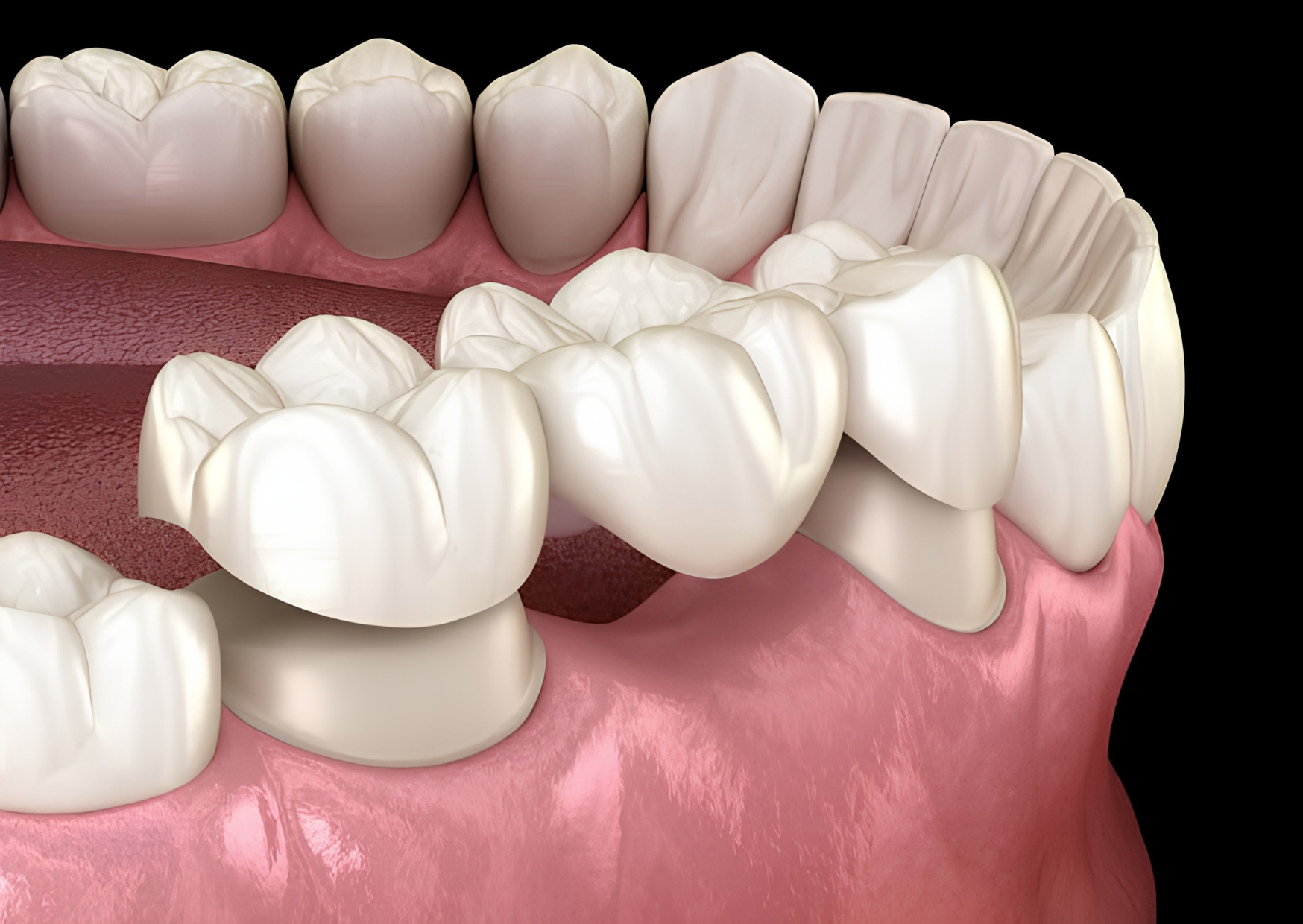
Dental bridges are custom-made restorations that replace one or more missing teeth by filling the space with artificial teeth supported by neighboring teeth or dental implants. We evaluate your teeth, gums, bite alignment, and overall oral health to determine whether a dental bridge is an appropriate solution. Our goal is to help you understand your options and create a personalized treatment plan that supports comfortable chewing, a balanced bite, and a confident smile.
Restore your smile with personalized dental care designed for comfort, function, and lasting oral health.
A Modern Approach to Dental Bridges
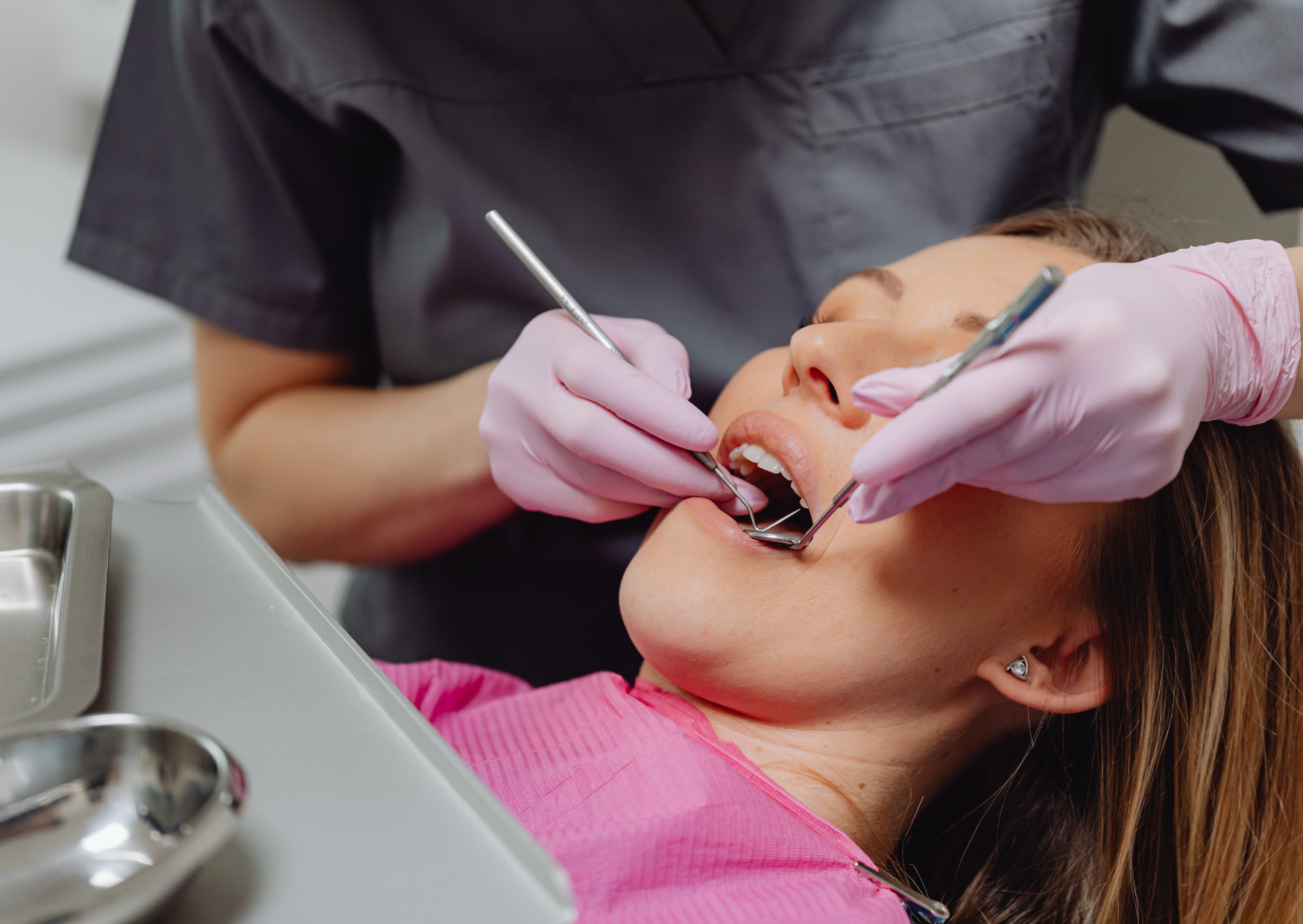
Replacing missing teeth involves more than improving the appearance of your smile. At Sanitas Family Dentistry, we take a comprehensive approach to restorative dentistry by considering how your teeth, gums, jaw, and bite work together. This helps us determine whether a dental bridge can restore function while supporting the health of your remaining teeth.
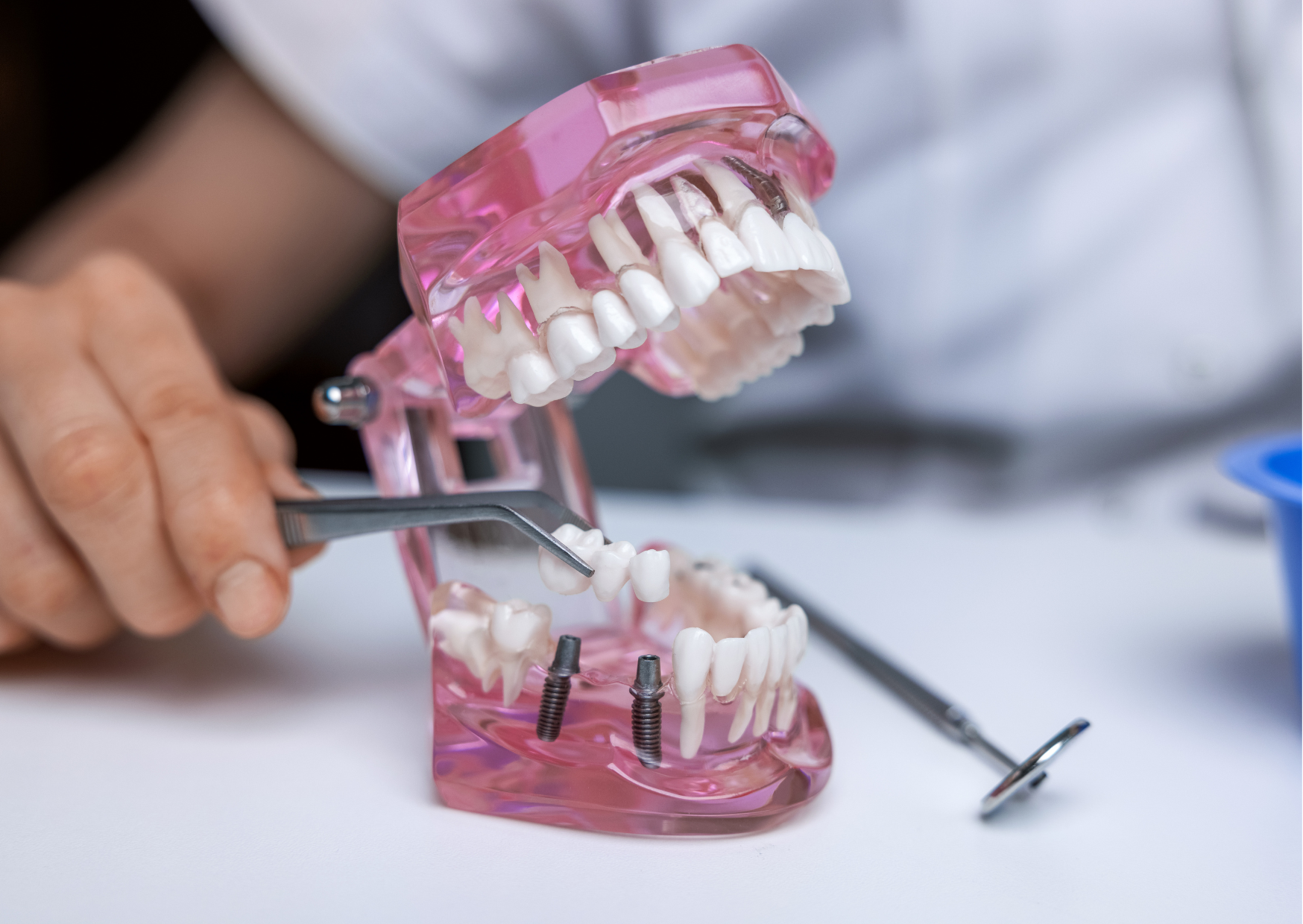
Dental bridges may be recommended when one or more teeth are missing and suitable neighboring teeth or implants can provide support. Depending on your needs, treatment may involve a traditional fixed bridge or another appropriate restoration. We carefully assess your oral health, explain the available options, and develop a treatment plan focused on natural appearance, comfortable function, and long-term maintenance.
Our Dental Bridge Treatment Process
A successful Dental Bridges Boulder treatment begins with understanding your oral health, the condition of your remaining teeth, and your goals for restoring your smile. At Sanitas Family Dentistry, we guide you through each stage so you can feel informed and comfortable throughout the restorative process.
-
We begin by discussing your concerns, reviewing your dental history, and learning what you hope to achieve with treatment.
-
We examine your teeth, gums, surrounding structures, and bite to assess whether a dental bridge is appropriate for your needs.
-
We discuss suitable tooth replacement options, explain the benefits and limitations of dental bridges, and recommend an individualized treatment plan.
-
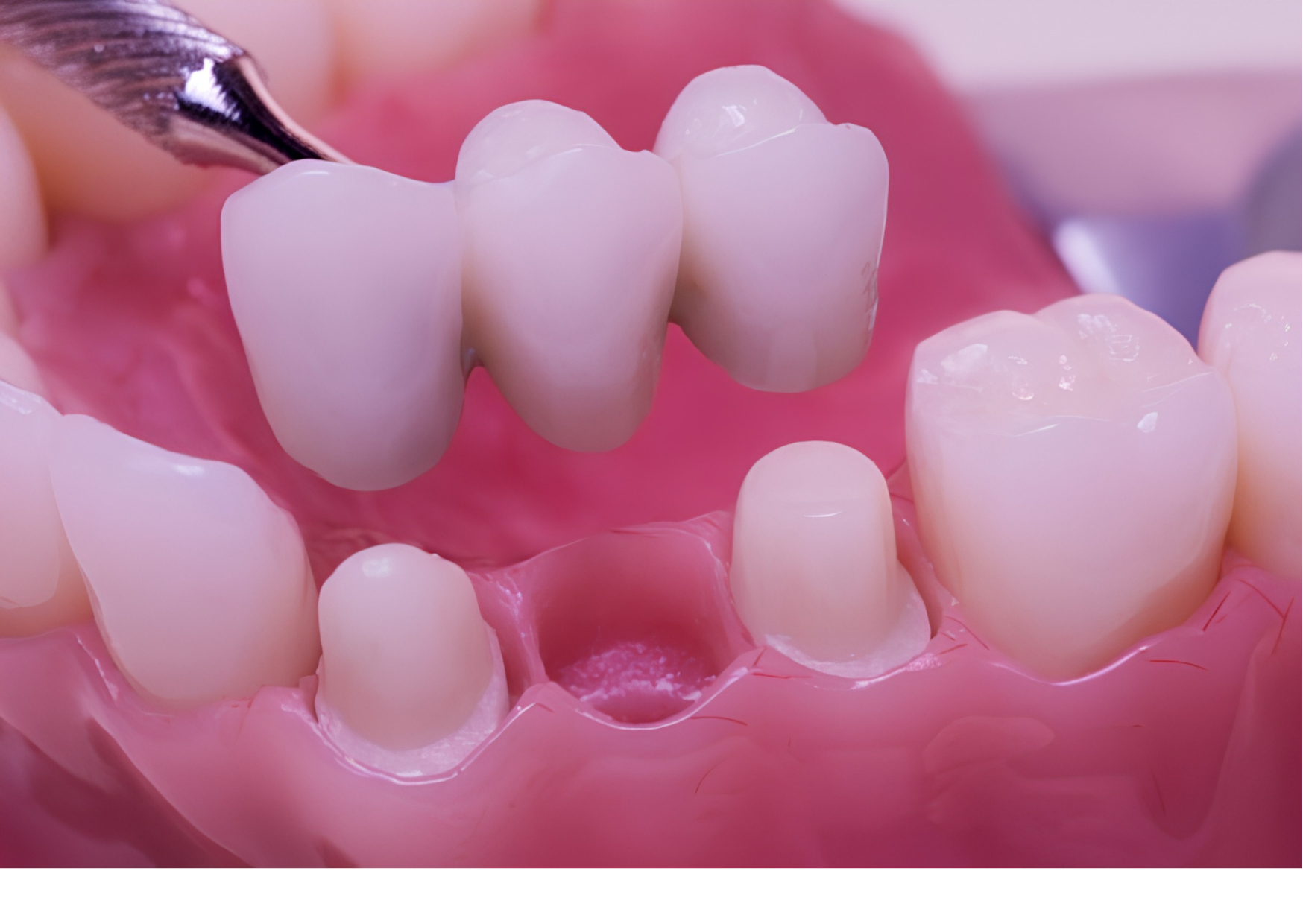
For a traditional bridge, the neighboring teeth are carefully prepared to accommodate the restoration. Other bridge designs may require different preparation.
-
We obtain the necessary measurements or impressions to create a custom bridge designed to complement your natural teeth and bite.
-
Once your restoration is ready, we assess its fit, appearance, and bite before securely placing the final dental bridge.
-
We provide guidance on cleaning around your bridge, maintaining healthy gums, and scheduling routine dental visits to monitor your restoration.
Where Restored Smiles Meet Better Oral Health
Missing teeth can influence more than your appearance. Gaps in your smile may affect chewing, speech, bite stability, and the position of surrounding teeth. When appropriate, replacing missing teeth with a dental bridge can help restore function and reduce some of the challenges associated with tooth loss.
That is why our Dental Bridges Boulder approach considers your overall oral health rather than focusing only on the missing tooth.
At Sanitas Family Dentistry, restorative care is part of our broader philosophy of understanding how oral health contributes to everyday comfort and well-being. We evaluate your teeth, gums, bite, and individual goals to help determine the most suitable path toward a healthier, more functional smile.
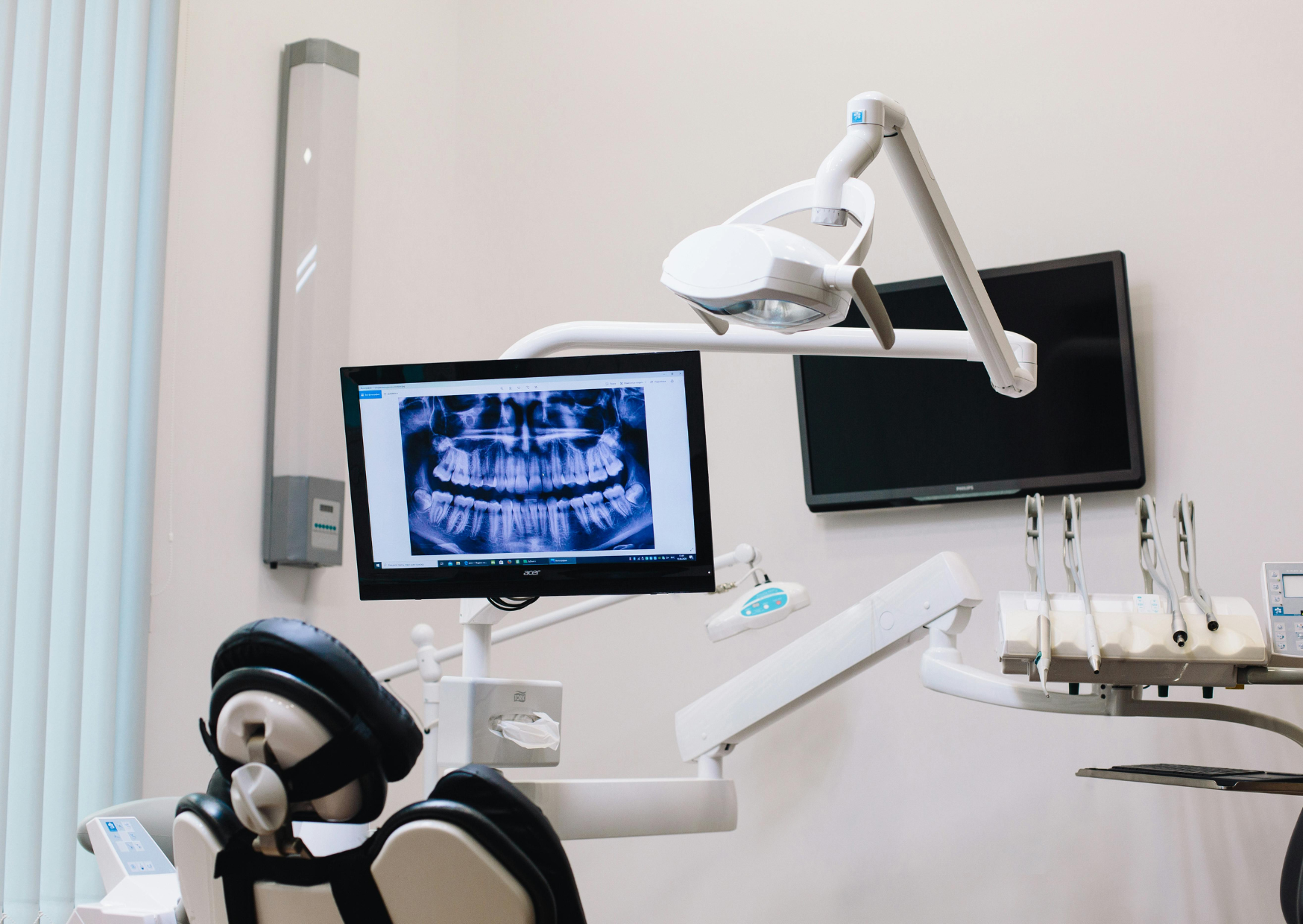
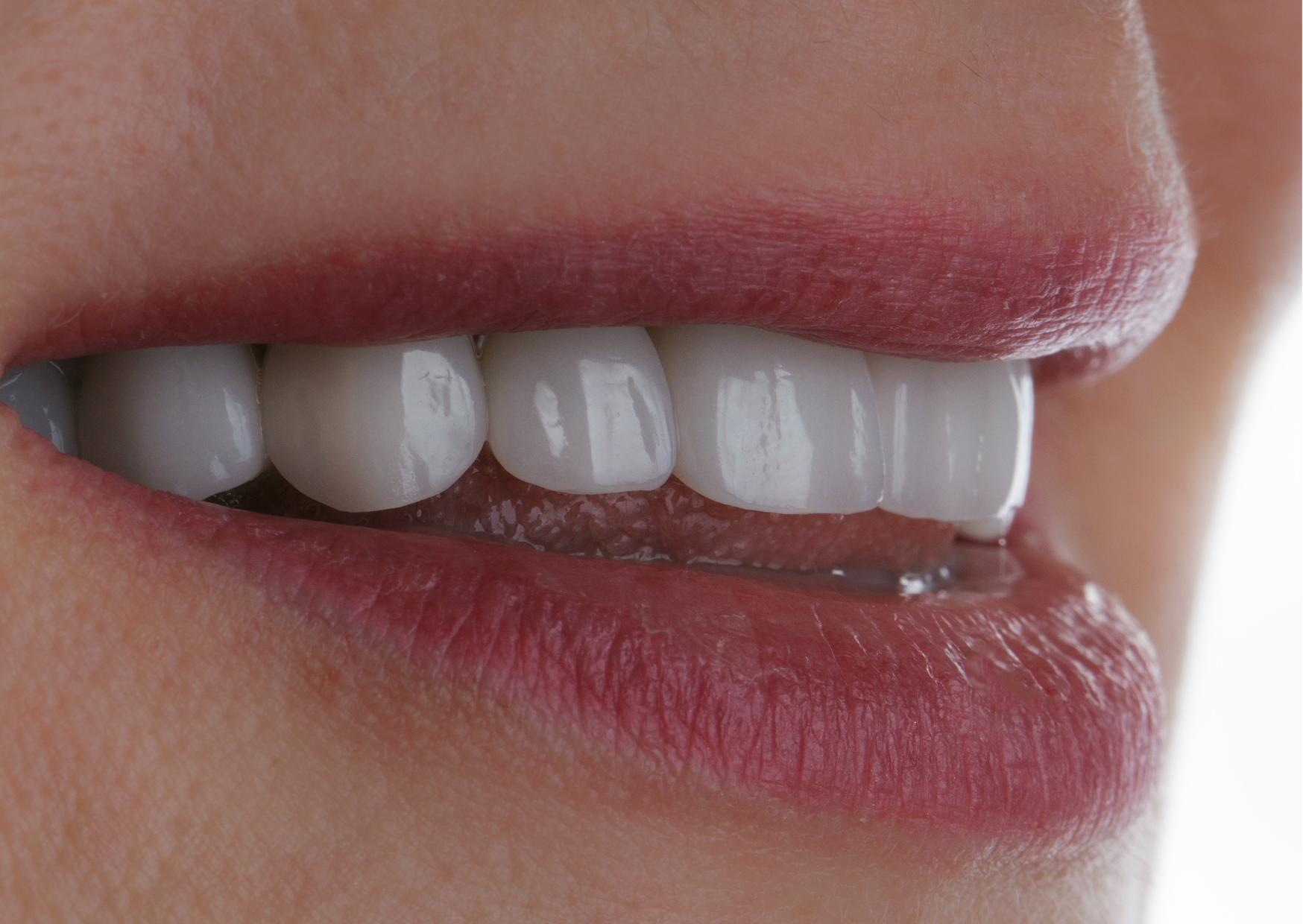
What Our Dental Bridge Services Include
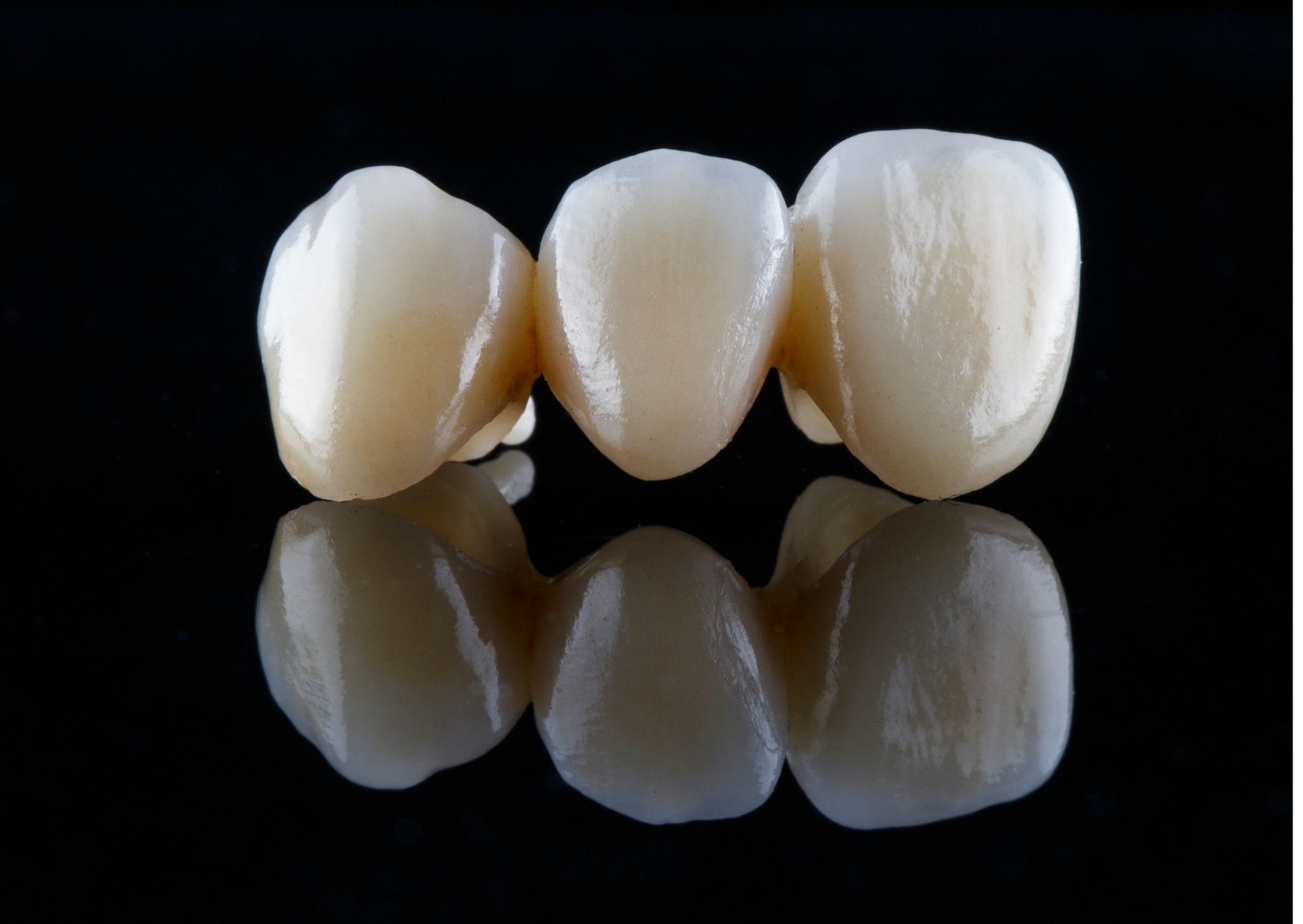
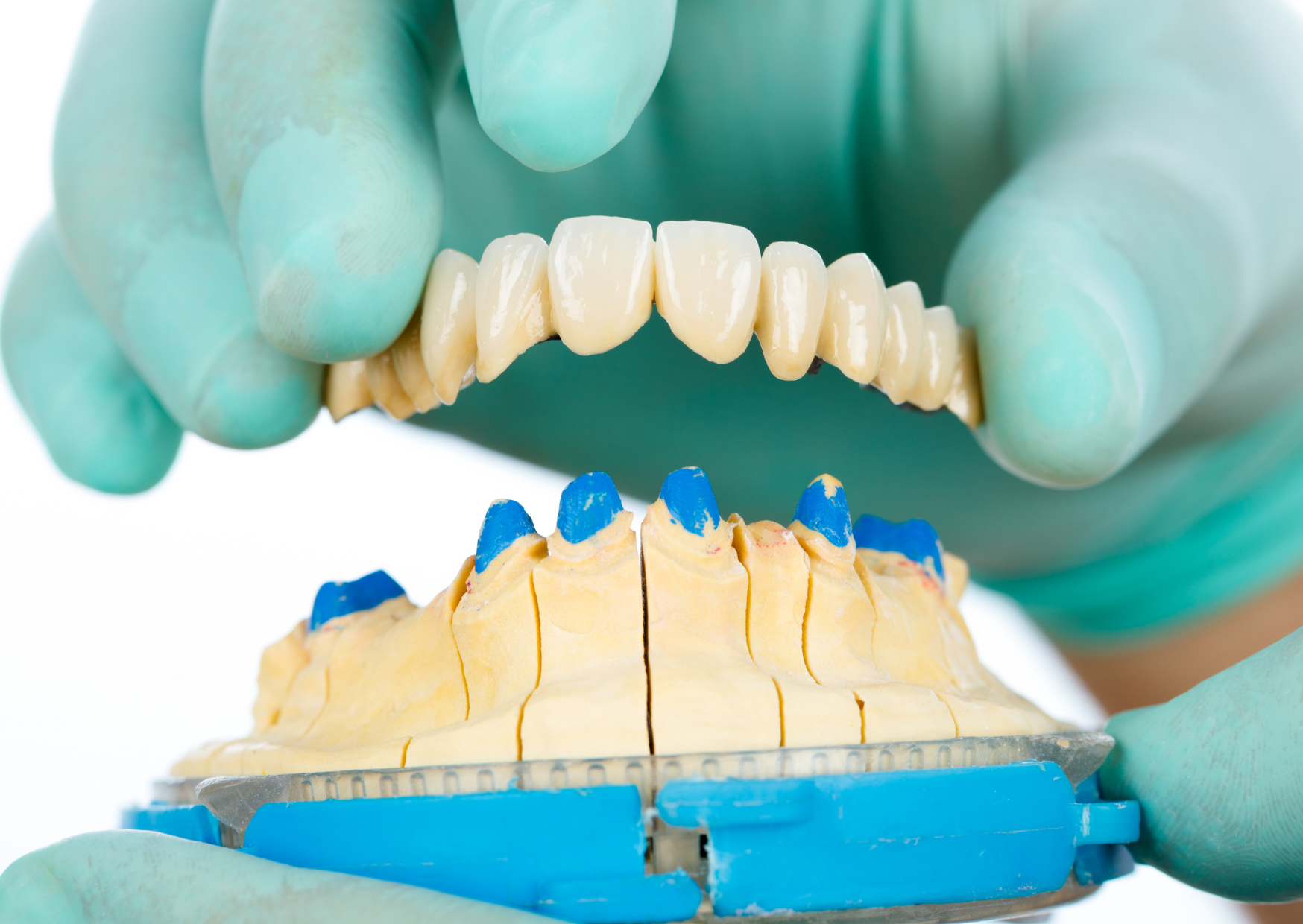
Traditional dental bridges replace missing teeth using artificial teeth supported by crowns on neighboring natural teeth. This fixed restoration can help restore chewing function and improve the appearance of your smile. We evaluate the condition of the supporting teeth, your bite, and your oral health to determine whether this approach is appropriate.
Traditional Dental Bridges
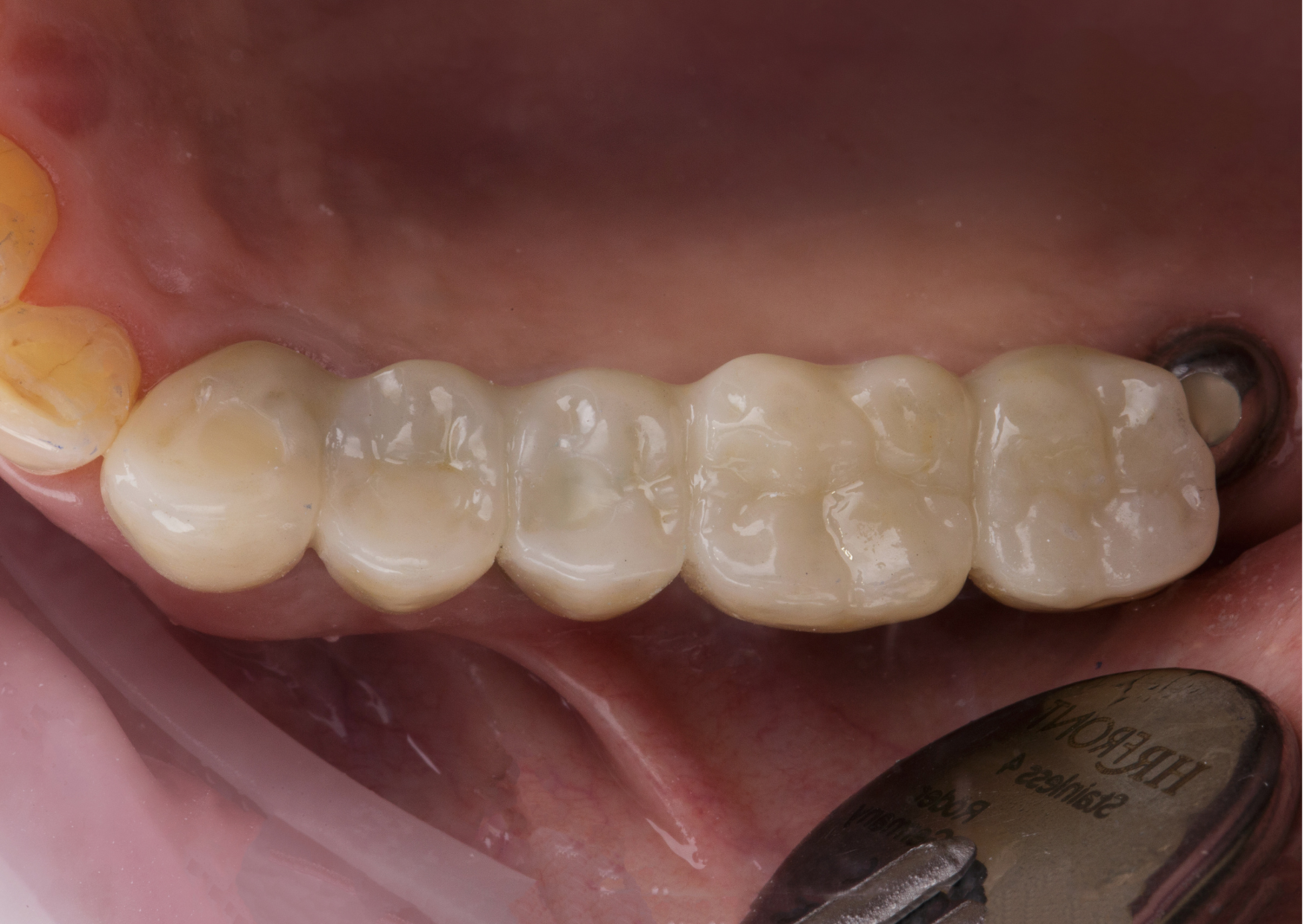
A dental bridge should complement your natural teeth while supporting comfortable function. We consider the shape, size, color, and positioning of your restoration to achieve a balanced appearance. Careful fitting and bite adjustments help ensure that your dental bridge feels comfortable and functions appropriately.
Long-term bridge care is essential for protecting the restoration and supporting surrounding teeth and gums. We provide personalized cleaning recommendations, evaluate the condition of your bridge during routine visits, and monitor for concerns involving fit, wear, gum health, or supporting teeth.
Custom Bridge Design & Placement
Dental Bridge Maintenance & Follow-Up

Dental Bridge & Missing Tooth Concerns We Address
Missing teeth can affect people differently depending on the location of the gap, the condition of neighboring teeth, and overall oral health. Some patients seek treatment because of visible changes in their smile, while others notice difficulties with chewing or changes in their bite.
Missing One or More Teeth
Losing a tooth can create a visible gap and affect normal oral function. A dental bridge may provide a fixed replacement option when suitable supporting teeth or implants are available.
Difficulty Chewing Comfortably
Missing teeth can make it harder to chew certain foods or distribute biting forces evenly. An appropriately designed dental bridge may help restore chewing function.
Changes in Bite Alignment
When a tooth is missing, surrounding teeth may gradually shift toward the open space. Replacing the missing tooth may help maintain alignment and support a more stable bite.
Visible Gaps in Your Smile
A missing front or side tooth can affect the appearance of your smile. Custom dental bridges are designed to blend with neighboring teeth and provide a natural-looking replacement.
Speech Changes After Tooth Loss
The position of your teeth can influence how certain sounds are formed. Replacing missing teeth may help improve speech difficulties associated with tooth loss.
Weakened or Restored Neighboring Teeth
The condition of adjacent teeth is important when considering a traditional dental bridge. We evaluate whether these teeth can provide suitable support for a restoration.
Replacing an Existing Dental Bridge
Older bridges may experience wear, damage, or changes in fit over time. An examination can help determine whether an existing bridge requires adjustment, repair, or replacement.
Exploring Tooth Replacement Options
Not every missing tooth requires the same treatment. We help patients understand the differences between dental bridges, dental implants, and removable restorations to support informed decisions.
Dental Bridges Boulder Frequently Asked Questions
-
A dental bridge is a fixed dental restoration used to replace one or more missing teeth. It typically consists of artificial teeth supported by neighboring natural teeth or dental implants. Dental bridges are designed to restore appearance, improve chewing function, and help maintain the position of surrounding teeth.
-
Dental bridges can last for many years with proper care, although their lifespan varies depending on the materials, supporting teeth, oral hygiene, bite forces, and other individual factors. Regular dental visits and appropriate cleaning around the restoration can help maintain its condition.
-
Dental bridge treatment is generally performed with local anesthesia when tooth preparation is required. Patients may experience temporary sensitivity or mild discomfort afterward. Our team will discuss what to expect and provide guidance for managing discomfort during recovery.
-
Dental bridges can replace a single missing tooth or multiple adjacent teeth, depending on the location of the gap and the strength of the supporting structures. Longer bridges may require additional support, and not every situation is suitable for a fixed bridge. A dental evaluation helps determine the appropriate treatment.
-
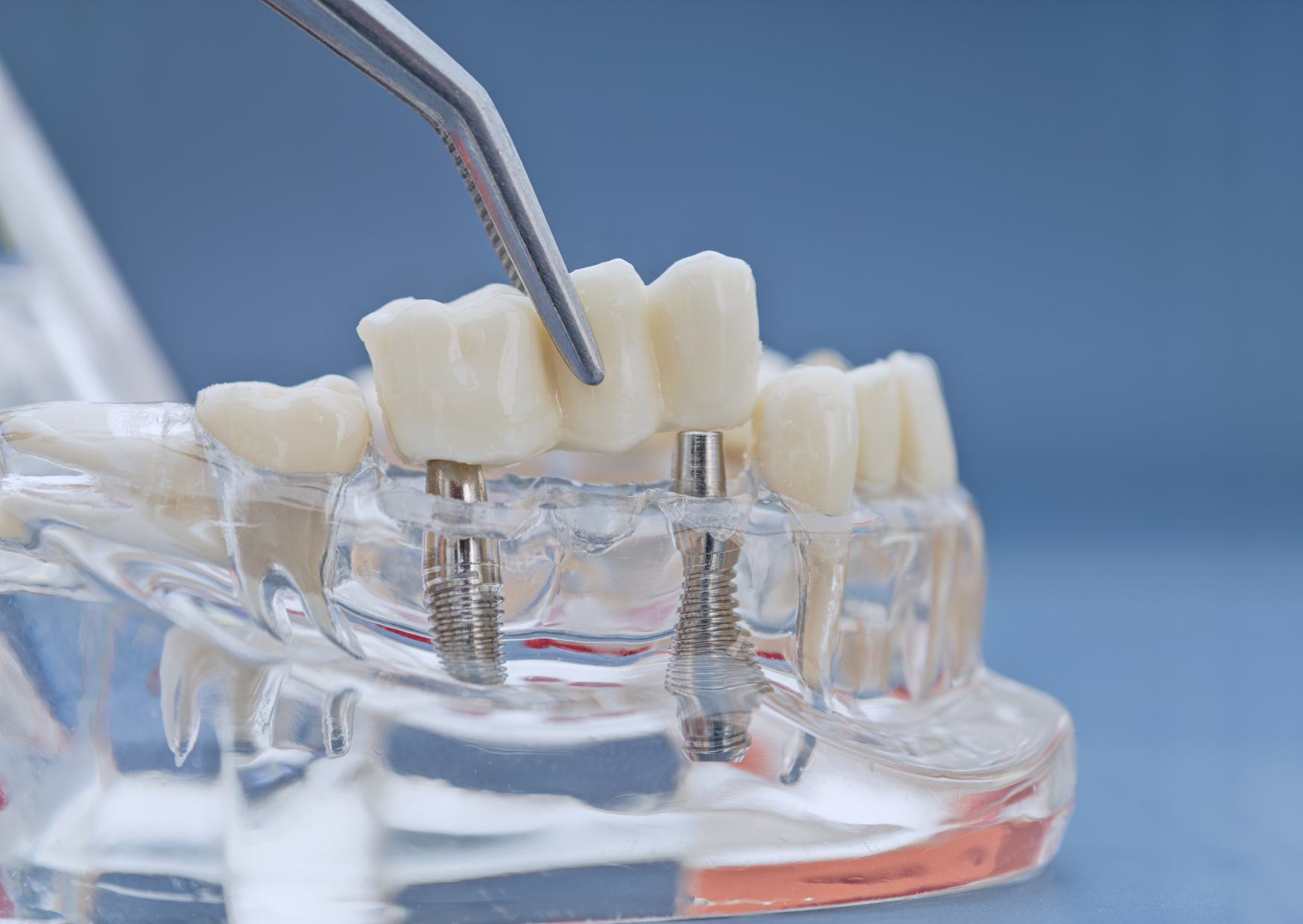
A traditional dental bridge is supported by neighboring teeth, while a dental implant replaces a missing tooth root with a fixture placed in the jawbone. Implant-supported restorations do not necessarily require preparation of adjacent natural teeth. Both options have advantages and limitations, and the best choice depends on your oral health, anatomy, preferences, and treatment goals.
-
Dental bridges require regular brushing and careful cleaning around and beneath the artificial tooth. Specialized floss, floss threaders, interdental brushes, or other recommended cleaning tools may help remove plaque from areas that ordinary brushing cannot reach. Routine dental visits are also important for monitoring the bridge and surrounding tissues.
-
Yes. Dental bridges can be customized to complement the size, shape, and color of surrounding teeth. Materials such as porcelain and certain ceramics may provide a natural-looking appearance. The final result depends on the restoration design, materials, and individual dental conditions.
-
A comprehensive dental evaluation is the best way to determine whether a bridge is appropriate. We examine your teeth, gums, bite, and overall oral health while discussing your goals and available replacement options. At Sanitas Family Dentistry, our focus is helping you choose a restoration that supports comfortable function and long-term dental health.
Restore Your Smile With Personalized Dental Care Today
If missing teeth are affecting your ability to chew, speak, or smile confidently, a comprehensive dental evaluation can help you explore your options for restoring your oral health.
Contact Sanitas Family Dentistry to schedule a consultation for Dental Bridges Boulder and learn how our personalized approach to restorative dentistry can help you achieve a comfortable, functional, and natural-looking smile.