
Do You Have Sleep Apnea? Your Guide to Getting the Best Treatment in the Boulder Area

Photo: snowing via 123RF
Ask anyone in the health and wellness space, and you probably won’t find a single one who isn’t espousing the benefits of prioritizing high-quality sleep. You have also likely seen more than a few products to help you improve your sleep hygiene and get better rest at night. But one thing you may not have heard is the link between your oral health, sleep, and overall wellness.
At Sanitas Family Dentistry, our patients are often quite surprised to learn of the critical role that dental professionals can play in identifying and addressing sleep-related breathing disorders, including sleep apnea, which affects millions of Americans.
If you think you may need sleep apnea treatment in Boulder, this guide covers everything you should know and consider before deciding.
What Is Sleep Apnea?
Sleep apnea is more than just snoring. It’s a sleep disorder in which breathing repeatedly stops and starts, disrupting rest and, in some cases, reducing the amount of oxygen reaching the body. Untreated sleep apnea can affect concentration, mood, and daytime energy and is associated with an increased risk of serious health problems, including high blood pressure, cardiovascular disease, and stroke.
There are several types of sleep apnea, but obstructive sleep apnea (OSA) is the most common. It occurs when tissues in the upper airway relax or collapse during sleep, temporarily blocking airflow.
Central sleep apnea differs from OSA; it occurs when the brain doesn't send the right signals to the muscles responsible for breathing.
Because the causes and treatment of sleep apnea can differ, it’s important to get an appropriate evaluation. Snoring alone doesn't tell you which condition you have or whether you have sleep apnea at all.
What Are the Symptoms of Sleep Apnea?
The thing about sleep apnea is that you may not realize you have it because you’re asleep when the problem occurs. Often, a partner, family member, or roommate notices the symptoms first.
Common sleep apnea symptoms include:
Loud or frequent snoring
Pauses in breathing during sleep
Waking up gasping, choking, or snorting
Excessive daytime sleepiness
Waking with a dry mouth
Morning headaches
Difficulty concentrating or focusing
Fatigue despite getting what seems like enough sleep
Frequently waking during the night
Insomnia or restless sleep
Waking frequently to urinate
Changes in mood or irritability
Not everyone experiences the same symptoms, and some symptoms can be less obvious.
Who Is More Likely to Develop Sleep Apnea?
Sleep apnea can be puzzling because it can affect people of all ages and stages of life. Some people have a combination of risk factors, while others may not.
Generally, there’s a higher risk of developing OSA as you get older — specifically, in your 60s and 70s. If you have a family history of the condition, you may be more prone to have it, too. Those who are overweight or obese tend to be at higher risk, as are individuals who smoke, because smoking contributes to inflammation and swelling in the upper airway.
One thing that always surprises our patients at Sanitas is how much anatomy can play a role, too. The size and shape of your jaw, tongue, palate, and throat can influence how easily your airway remains open during sleep. A recessed or smaller lower jaw, a large tongue, and enlarged tonsils can contribute to airway obstruction.
Alcohol and certain medications can also exacerbate OSA because they relax muscles in the upper airway, which can affect breathing during sleep.
The important takeaway is that risk factors aren't a diagnosis. The only way to know whether you have sleep apnea is to undergo an appropriate evaluation and, when indicated, sleep testing.
How Is Sleep Apnea Diagnosed?
If you have symptoms and risk factors that suggest sleep apnea and you think you may have it, your first step is to consult a qualified healthcare professional. They’ll review your medical history and your symptoms to determine the best next steps and whether you need a sleep study. Depending on your situation, that study may take place in a sleep center or may be performed at home using a home sleep apnea test.
As a recently named diplomate of the American Board of Dental Sleep Medicine, Sanitas Family Dentistry’s Dr. Krista sees sleep screening as part of a broader holistic approach to sleep and functional dentistry.
Dr. Krista and the Sanitas team use tools, including the WatchPAT One and SleepImage Ring, to help evaluate sleep health. Screenings can be an important starting point, but we’ve found that a comprehensive approach that considers sleep test results alongside your symptoms, medical history, oral anatomy, and airway function yields the best outcomes.
What Is the Treatment for Sleep Apnea?
The good news? Sleep apnea is highly treatable, and you don't necessarily have to resign yourself to a lifetime of struggling with a CPAP mask.
Depending on your diagnosis, severity, anatomy, and individual needs, obstructive sleep apnea treatment in Boulder (or anywhere else!) may include positive airway pressure, lifestyle changes, oral appliance therapy, or other medical and surgical options. And that’s where a dentist with experience in sleep and functional dentistry can become an important part of your care team.
Dentists are increasingly collaborating with medical providers to address root causes rather than isolated symptoms and support those with sleep apnea, snoring, and other airway-related issues.
1. Positive Airway Pressure (CPAP)
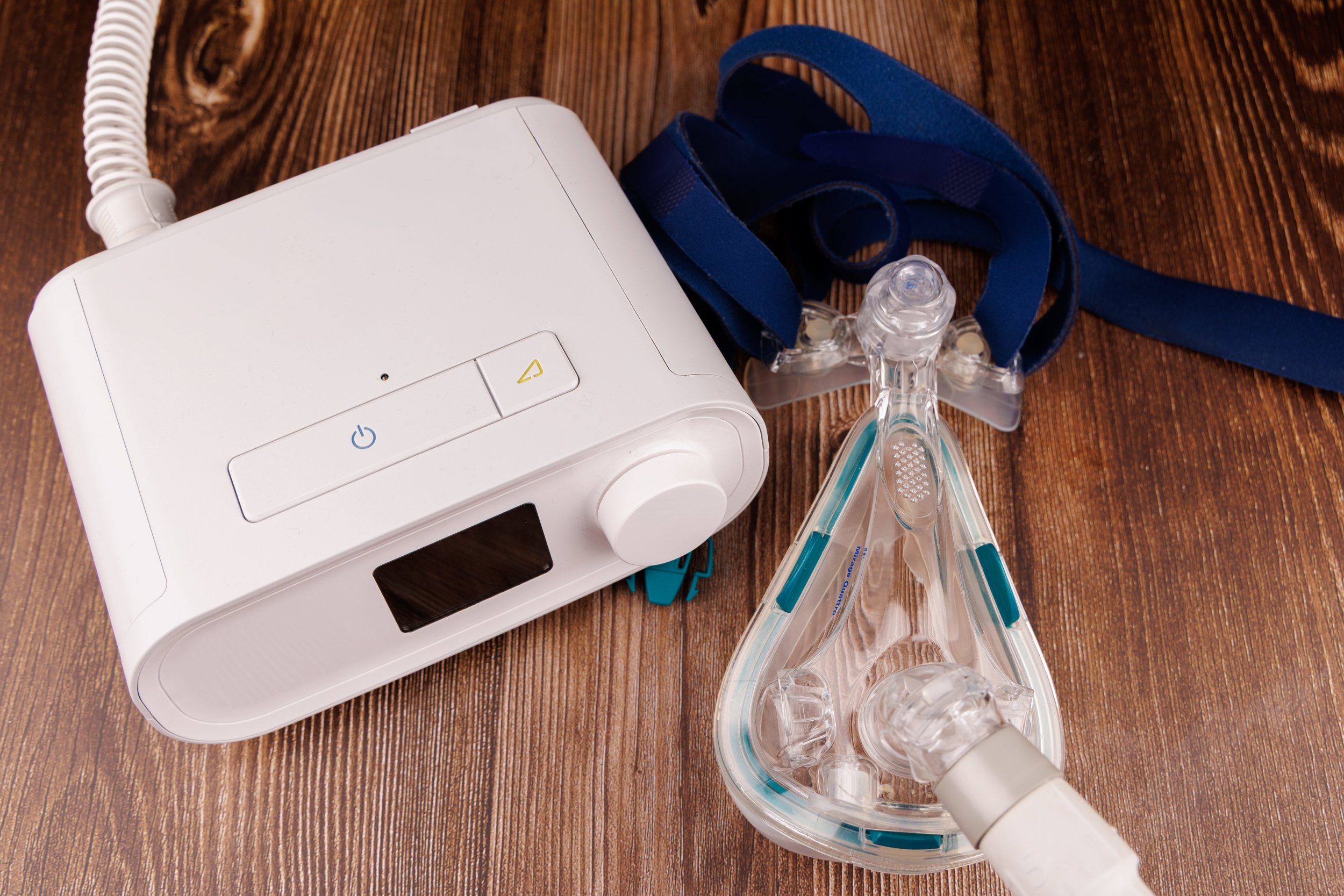
Photo: ecoss via 123RF
You may have heard of a CPAP machine, and that's because this form of positive airway pressure (PAP) therapy is among the most established treatments for OSA. The machine uses gentle air pressure delivered through a mask to help keep the airway open while you sleep. PAP therapy is particularly important for many people with moderate to severe OSA.
CPAP is highly effective, but that doesn't mean it’s a positive experience for everyone. Mask fit, pressure, dryness, congestion, noise, and simply getting used to sleeping with equipment can all affect whether someone consistently uses the treatment.
If you've been prescribed CPAP and are struggling with it, don't simply stop treatment. Talk with your sleep physician or healthcare team about sleep apnea alternative treatments and ways to improve comfort.
2. Oral Appliance Therapy
A custom appliance can help keep the airway open during sleep by repositioning the lower jaw, helping patients with mild to moderate OSA, especially those who cannot tolerate CPAP or prefer an alternative.
Importantly, this isn't the same thing as buying a generic mouthpiece online. At Sanitas, patients may receive custom sleep appliances that are customized, titrated, and monitored as part of their sleep care.
3. Orofacial Myofunctional Therapy
This type of therapy might sound complicated or even intimidating, but it’s actually quite simple. It’s essentially physical therapy for your face, mouth, jaw, and tongue. It can be used for a range of conditions, including sleep apnea support.
At Sanitas Family Dentistry, we use this therapy to help correct tongue function, retrain nasal breathing, and promote proper swallowing — all of which can help with a range of sleep-related concerns.
4. Lifestyle Changes
It’s no secret that your daily habits can affect how you sleep. A healthier lifestyle that includes losing any excess weight, getting regular exercise, quitting smoking, and cutting back on alcohol may help reduce sleep apnea symptoms. If you’re wondering how that glass of wine plays a role, it’s because alcohol relaxes the muscles that help keep the airway open, which can make obstruction worse at night.
There's also the surprisingly simple question of which way you sleep.
For some people, sleeping on their side rather than on their back can help keep their airway more open. Sleeping on your back allows the tongue and other soft tissues to fall back more easily, which can worsen obstructive sleep apnea.
These changes aren't a substitute for appropriate sleep apnea treatment when treatment is needed. But they can be an important part of the bigger picture.
5. Other Medical or Surgical Treatments
For some patients, other treatments may be appropriate. Depending on the cause and severity of OSA, options can include medications for specific circumstances, nerve stimulation devices, tonsil or airway surgery, jaw advancement surgery, or other procedures.
That's another reason not to assume that a particular treatment is automatically right for you. The goal isn't to find the trendiest alternative treatment for sleep apnea. It's to find the appropriate treatment for your specific condition.
Your Next Step: Sleep Apnea Treatment in Boulder
Persistent exhaustion, loud snoring, and nighttime breathing interruptions aren't something you should automatically accept as normal. If you suspect sleep apnea, getting answers from a medical professional is the first step. And when it comes to treating sleep apnea, it shouldn't be viewed as a choice between medical care and dental care. The best care often involves both.
If you're searching for sleep apnea treatment in Boulder, Lafayette, Erie, Louisville, or Superior, you may be wondering what makes one dental practice different from another. At Sanitas Family Dentistry, sleep and breathing aren't treated as separate from oral health.
Our practice takes a holistic and integrative approach, looking at how the mouth, tongue, muscles, and airway relate to the rest of the body. With screening tools like the Watchpat One and the SleepImage ring, we can assess your sleep health. Beyond that, we can examine the structural and functional aspects of your oral cavity and airway to identify ways to improve your breathing.
We also offer specialized treatments, including myofunctional therapy and sleep appliances, as well as laser soft palate tightening for patients with airway obstruction.