
Why Are My Gums Bleeding? Causes, Prevention, and Treatment
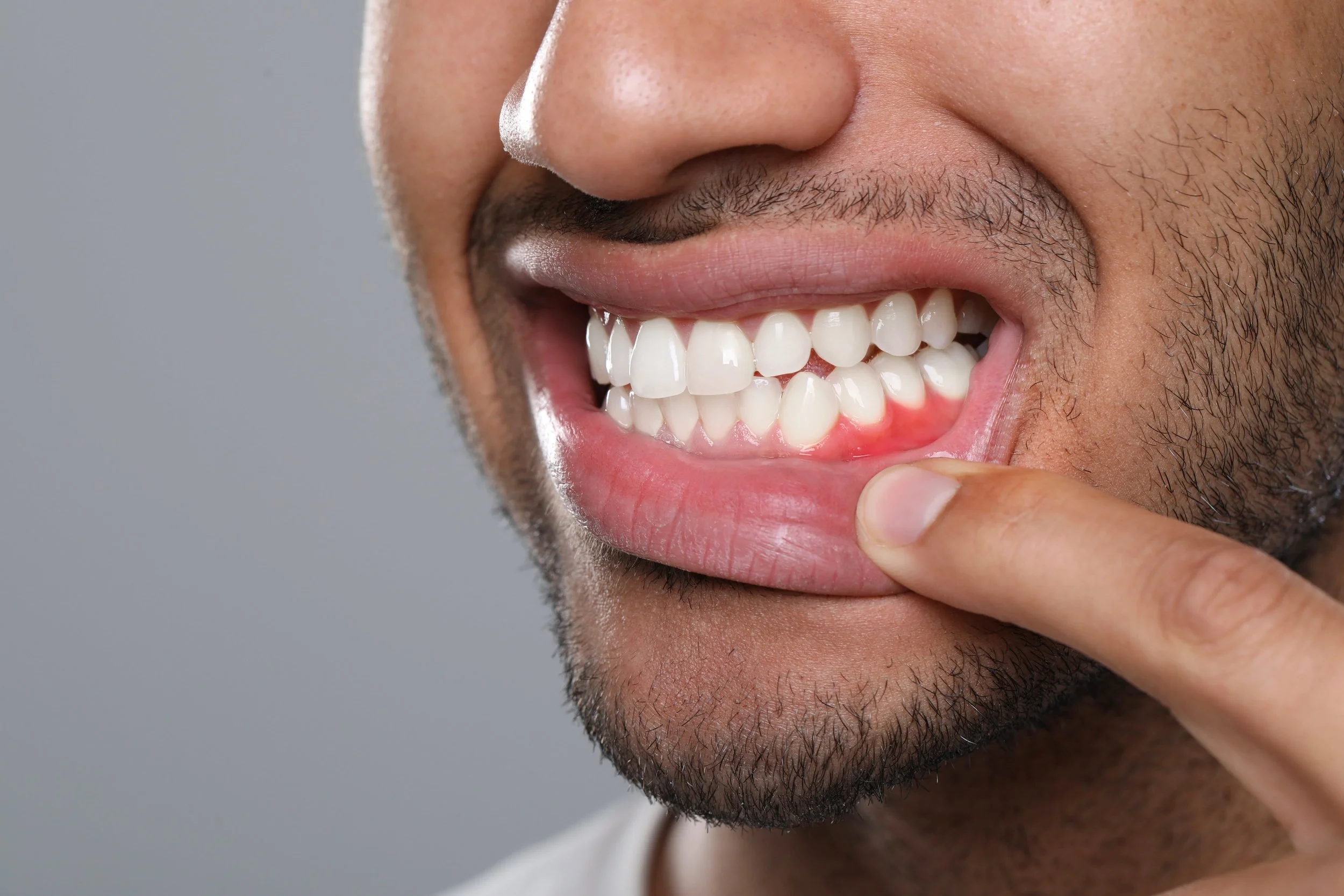
Photo: liudmilachernetska via 123RF
Brushing your teeth shouldn’t make your sink look like a crime scene. And flossing shouldn’t trigger a bloody mouth. But if you’ve ever noticed some pink in the sink while brushing, you’re not alone, and you’re probably wondering: Why are my gums bleeding?
Many people ignore the bleeding or assume it’s just a normal thing that happens. Others start to worry that it could be a sign of something serious. The truth? Well, it lies somewhere in between.
Bleeding gums are relatively common, especially when flossing, and we get asked about this condition a lot at Sanitas Family Dentistry. But just because it’s common doesn’t mean it’s normal. Bleeding gums are your body’s way of signaling that something in your oral health needs some attention.
In many cases, bleeding gums can easily be remedied with simple changes to your oral hygiene routine, along with professional care. But sometimes, they may point to something more serious, like early gum disease or other underlying issues.
In this guide, we’ll explore why gums bleed, what causes gum inflammation, when to see a dentist, and what you can do to protect your gum health.
Why Are My Gums Bleeding When I Brush?
If you’re asking yourself, “Why are my gums bleeding?” (or consulting Dr. Google or Dr. ChatGPT for the answers), here’s what you need to know. Several factors could be causing this issue for you. Some are related to oral hygiene habits, while others could stem from health conditions or lifestyle factors.
Plaque Buildup and Gingivitis
One of the most common causes of gum bleeding is plaque buildup along the gumline, which can lead to gingivitis. Plaque is a sticky film of bacteria that may not always be removed thoroughly enough during brushing and flossing, and it can irritate the gums.
Over time, that irritation turns into actual inflammation, which can make the gums red, swollen, and more likely to bleed during brushing or flossing. This is actually an early stage of gum disease called gingivitis, which many patients at our practice are surprised to learn.
The good news is that this initial stage of gum disease is reversible when caught early, which is why we encourage our patients to pay attention to small signs like bleeding, as well as other gingivitis symptoms such as red or swollen gums, tender gums, persistent bad breath, and gum sensitivity.
If left untreated, gingivitis can progress into periodontal disease, a far more serious condition that can damage the bone supporting your teeth. It’s also a main cause of tooth loss in adults.
Brushing Too Hard or With the Wrong Toothbrush
Another common cause of bleeding gums when brushing is being a little too aggressive in your brushing technique. Try to remember not to take out your stress on your teeth! Brushing with gentle and thorough circular motions across all your teeth — the front and the back — is important to remember.
If you’ve recently purchased a new toothbrush and noticed some extra sensitivity or bleeding, your brush may be too firm, and your gums are noticing. Both hard bristles and applying too much pressure with a softer bristle can irritate gum tissue and cause minor bleeding.
At Sanitas, we almost always recommend softer bristles or an electric toothbrush to moderate the intensity of your brushing. Regardless, both options will be much gentler on the gums.
Beginning a New Flossing Routine
Flossing is incredibly important to your oral health routine, but if you’ve just recently started flossing regularly, you may notice some bleeding at first as your gums adjust.
This often happens because the gums are slightly inflamed due to plaque buildup between the teeth. As flossing removes the plaque and bacteria, the gums begin to heal, and the bleeding should dissipate.

Photo: brizmaker via 123RF
In most cases, the bleeding improves or stops within about a week of consistent flossing. If it continues longer, it’s worth consulting a dental professional.
However, improper flossing technique can also cause some bleeding. Try not to “snap” the floss in between your teeth. Use a gentler in-and-out motion, or consider a water flosser, which is also helpful if you have any orthodontics that make it difficult to manage traditional string floss.
Medical Conditions or Medications
Some health conditions, like diabetes and immune health disorders, and pharmaceutical drugs, including blood-thinning medications, hormonal birth control, and even aspirin and NSAIDs, can make your gums more prone to bleeding.
In our practice, we always ask patients about their current medications, which is why it’s important to always keep your dentist informed about any changes in prescriptions or over-the-counter medications you take regularly.
Hormonal Changes
For female patients experiencing gum bleeding, it’s possible that some hormonal shifts could be making their gums more sensitive and prone to bleeding. That’s because hormones increase blood flow to gum tissue, which can make gums react more strongly to plaque buildup.
This is most common during times like puberty, pregnancy, and menopause, when hormonal fluctuations are more extreme.
Vitamin Deficiencies
Certain vitamins and nutrient deficiencies can also contribute to gum inflammation and bleeding. The most common include Vitamin C deficiency and Vitamin K deficiency. Vitamin C helps strengthen your immune system, right along with your teeth and bones, while Vitamin K helps your blood clot properly.
A balanced diet rich in fruits, vegetables, and whole foods can help support healthy gums.
Smoking and Vaping
Smoking and vaping have a host of negative health consequences, and your teeth and gums are not immune to the effects either. Both practices can increase your risk of oral health problems, not the least of which are sensitive and bleeding gums.
Your sensitive gums could also be a simple vitamin deficiency, especially Vitamin C and Vitamin K.
For example, Vitamin C can boost the immune system while strengthening your bones and teeth. A lack of Vitamin K can prevent your blood from clotting properly, making your gums more susceptible to bleeding.
How to Stop Bleeding Gums
If you’re wondering how to stop bleeding gums, the good news is that many cases can be improved with better oral care and healthy habits. Here are some of the most effective strategies we like to remind our patients about:
Focus on Brushing Well: We all know it’s important to brush twice a day, but make sure you use a soft toothbrush and don’t forget to gently focus on the gumline, where plaque tends to accumulate.
Floss Daily: You only have to floss once per day, but that’s more than many people want to do. But daily flossing is so important for removing plaque between your teeth that brushing just cannot reach.
Eat a Well-Balanced Diet: We’ve all heard to avoid sugar for teeth, but it goes beyond that for your best oral and gum health. Nutrients play a big role, so make sure to eat the rainbow and introduce foods rich in vitamin C, calcium, and antioxidants to support strong gum tissue and reduce inflammation. Your whole body will thank you!
Schedule Bi-Yearly Appointments: Even the best oral care needs a little TLC from the dentist. Professional cleanings every six months are highly advisable to remove plaque buildup that brushing cannot reach, keep gums healthy, and catch minor issues before they become major problems.
How We Diagnose Gum Problems
At Sanitas, we begin with a comprehensive evaluation that explores all health factors related to a patient's oral health and bleeding gums.
Patients can expect the exams to include checking for signs of inflammation, evaluating plaque and tartar buildup, measuring the space between teeth and gums, and taking X-rays, if needed. We’ll also perform a thorough teeth cleaning.
Taken together, this allows our team to determine whether the bleeding is caused by gingivitis, early periodontal disease, or another oral health issue entirely.
How We Help Patients with Their Oral Health
Many cases of bleeding gums are relatively minor and can be remedied with a few easy fixes to your daily routine. But if your gums continue to bother you and you still find yourself asking, “Why are my gums bleeding?”, it’s time to make an appointment with your dentist to investigate the problem.
If you’re looking for a Colorado dentist in Louisville, Boulder, Erie, Lafayette, or Superior, Sanitas Family Dentistry can help. At our practice, we provide comprehensive dental exams, professional cleanings and gum disease treatment, advanced diagnostic technology, personalized oral health guidance, and more.